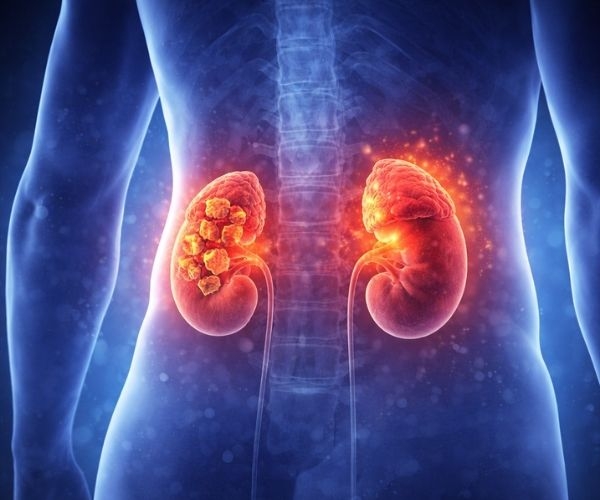
Kidney diseases encompass urological and nephrological conditions that affect the kidneys’ functions of filtration, balance, and removal of waste products from the body. These diseases may present with an acute or chronic course and can lead to serious health problems if not detected early.
Symptoms such as lower back pain, changes in urine volume, blood in the urine, swelling, high blood pressure, and fatigue may be signs of kidney disease. Since symptoms are not always obvious, regular check-ups are of great importance.
Diagnosis and Evaluation Process
In the diagnosis of kidney diseases, a detailed medical history and physical examination constitute the primary steps. Blood and urine tests are used to assess kidney function, while ultrasonography and, when necessary, advanced imaging methods are employed to examine the structural characteristics of the kidneys in detail.
This evaluation process enables accurate determination of the type and stage of the disease and guides appropriate treatment planning.
Treatment Approach
Treatment of kidney diseases is planned according to the underlying cause, severity of the condition, and the patient’s overall health status. In some cases, medical therapies and lifestyle modifications are sufficient, whereas in advanced cases, interventional or surgical treatments may be required.
The main goals of treatment are to preserve kidney function, slow disease progression, and improve the patient’s quality of life. An individualized approach is adopted for each patient.
Follow-up and Monitoring
After treatment, patients are followed through regular check-ups. Kidney function tests, imaging results, and clinical findings are evaluated to monitor the course of the disease. When necessary, the treatment plan may be updated.
The aim is to protect kidney health in the long term and prevent potential complications.