Kidney cancer is one of the urological cancers originating from renal tissue and can be successfully treated with surgical intervention when detected at an early stage. The size, location, and extent of spread of the tumor are the main factors in determining the appropriate treatment approach.
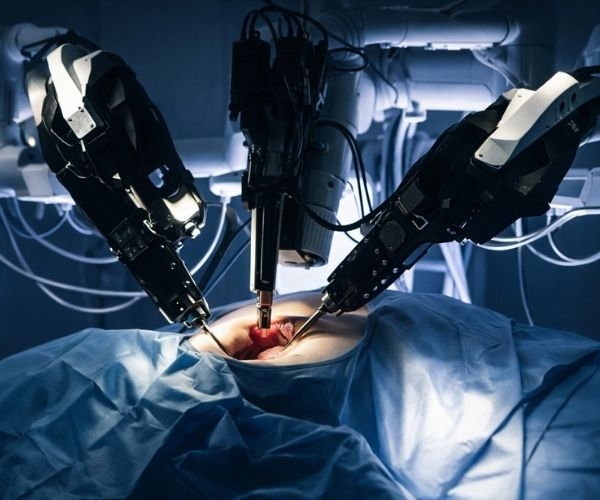
In selected patients, robotic surgery is considered a modern and minimally invasive option for the surgical treatment of kidney cancer. This method offers high-precision surgical capabilities that allow preservation of kidney tissue and surrounding anatomical structures whenever possible.
Diagnostic and Evaluation Process
The diagnosis of kidney cancer involves a combined evaluation of the patient’s clinical findings, imaging studies, and necessary laboratory tests. Computed tomography (CT) and magnetic resonance imaging (MRI) are used to analyze the tumor’s size, intrarenal location, and relationship with surrounding tissues in detail.
This evaluation guides the assessment of suitability for robotic surgery and helps define the scope of surgical planning.
Robotic Surgical Approach
In kidney cancer, robotic surgery enables precise interventions through high-resolution three-dimensional visualization and advanced instrument mobility. Depending on the characteristics of the tumor, removal of the entire kidney or, in appropriate cases, excision of only the tumor-bearing portion of the kidney may be planned.
The robotic approach may provide advantages such as preservation of surrounding tissues, reduced blood loss, and a faster recovery process. With appropriate patient selection, safe and effective surgical outcomes are targeted.
Post-Treatment Follow-Up
After surgery, patients are enrolled in a regular follow-up program. The function of the remaining kidney, the patient’s general health status, and oncological surveillance are closely monitored. Additional treatments or supportive approaches may be planned when necessary.
The primary goals of the treatment process are effective disease control, preservation of kidney function, and maintenance of the patient’s quality of life.