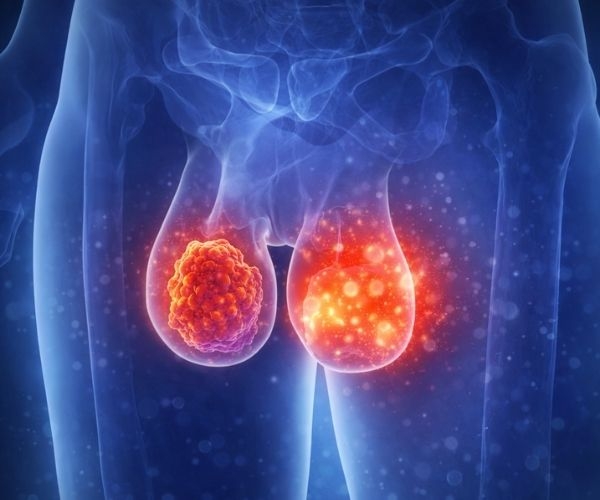
Testicular and scrotal (testicular sac) diseases are important urological conditions that can directly affect male reproductive health and hormonal balance. Disorders in this region may occur at any age, and early diagnosis plays a crucial role in treatment success.
Symptoms such as testicular pain, swelling, a palpable mass, tenderness, or changes in shape may indicate various testicular and scrotal conditions. Therefore, any emerging symptoms should be evaluated carefully and without delay.
Diagnostic and Evaluation Process
The diagnosis of testicular and scrotal diseases involves a combined assessment of a detailed medical history, physical examination, and imaging methods. Ultrasonography is one of the most commonly used and reliable diagnostic tools for conditions affecting this region.
When necessary, laboratory tests and additional imaging studies are performed to clarify the underlying cause and extent of the disease. This evaluation process forms the basis for establishing an accurate treatment plan.
Treatment Approach
Treatment of testicular and scrotal diseases is planned according to the type and severity of the condition and the patient’s overall health status. While medical treatment may be sufficient in some cases, surgical intervention may be required in others.
The primary goals of treatment are relief of pain, prevention of functional loss, and preservation of reproductive health. An individualized assessment is performed for each patient to determine the most appropriate treatment approach.
Follow-Up and Monitoring
After treatment, patients are monitored through regular follow-up visits. Clinical findings, imaging results, and general health status are evaluated to track the course of the disease. When necessary, a long-term follow-up plan is established.
The aim is to maintain effective disease control and ensure the sustainable preservation of the patient’s quality of life.